Powder Power or Pure Hype? What the Supplement Industry Doesn't Want You to Know About Whole Foods
Walk into any Whole Foods, Target, or GNC right now and you'll find an entire wall dedicated to the promise of optimization. Greens powders. Collagen peptides. Adaptogen blends. Mushroom complexes. Each one marketed with the kind of confident language that implies your actual kitchen — with its imperfect produce and weeknight chaos — just isn't cutting it anymore.
The global dietary supplement market hit over $150 billion in 2023. That number is projected to keep climbing. And yet, the more nutrition researchers dig into what these products actually deliver, the more complicated — and often disappointing — the picture gets.
So what's really going on inside that tub of "superfood" powder? And why does the spinach wilting in your crisper drawer still have it beat?
What Happens to Food When You Dry It, Grind It, and Shelf-Stabilize It
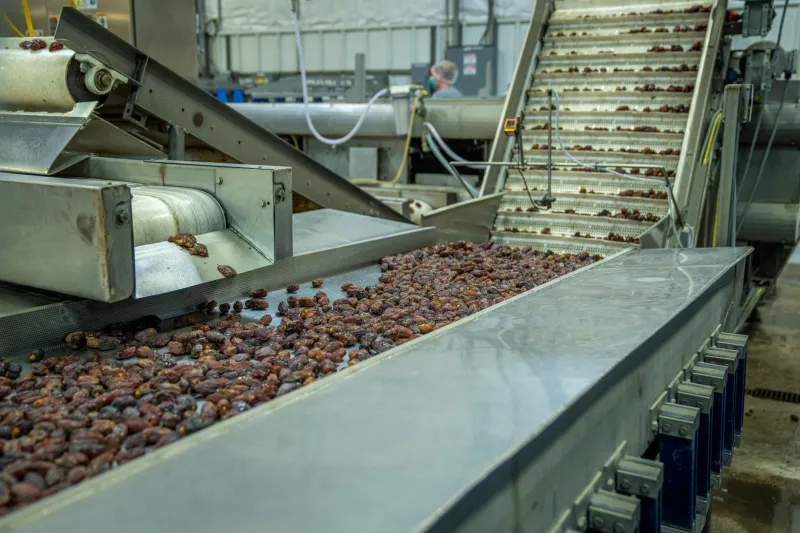
Processing is the elephant in the room that supplement brands would rather you not think about. To turn a whole food into a shelf-stable powder, manufacturers typically use methods like spray drying, freeze drying, or drum drying — each involving heat, pressure, and oxidation exposure that affect nutrient integrity in meaningful ways.
Water-soluble vitamins take the biggest hit. Vitamin C, for instance, is notoriously fragile. Studies have shown losses of anywhere from 15% to 55% depending on the drying method and storage conditions. B vitamins, particularly folate and B1, are similarly vulnerable. Even freeze-drying — the gentler, more expensive option — isn't a perfect preservation method. Exposure to oxygen during processing and then again every time you open that container continues to degrade heat-sensitive compounds.
Then there's the issue of phytonutrients — the plant compounds like polyphenols, flavonoids, and carotenoids that don't make it onto a nutrition label but are increasingly understood to be central to why whole plant foods are so beneficial. These compounds are often bound to the cellular structure of the plant itself. When you eat a real blueberry, you're getting those antioxidants delivered within a matrix of fiber, water, and co-factors that help your body actually use them. When you eat blueberry powder, that matrix is gone.
Bioavailability: The Word the Marketing Copy Always Skips
Nutrition scientists use the term "bioavailability" to describe how much of a nutrient your body can actually absorb and use — not just how much exists in a food or supplement. And this is where the gap between powder marketing and food science gets genuinely uncomfortable for the industry.
Iron from spinach powder? Far less absorbable than iron from actual spinach eaten alongside vitamin C-rich foods, because the whole-food context matters for uptake. Curcumin from a turmeric supplement? Notoriously poor bioavailability on its own — which is why traditional South Asian cooking pairs it with black pepper and fat, both of which dramatically improve absorption. You can't easily replicate that synergy in a capsule.
The concept of food synergy is something researchers have been studying seriously for decades. Nutrients don't work in isolation. Calcium absorption depends on vitamin D and magnesium. Iron from plant sources needs vitamin C. Fat-soluble vitamins — A, D, E, K — require dietary fat to be absorbed at all. Whole foods naturally deliver many of these co-factors together. Isolated supplements, and even powders made from single ingredients, often don't.
The Supplement Categories Worth Keeping vs. the Ones Riding Pure Hype
This isn't a call to throw out every bottle in your cabinet. There are supplement categories with legitimate, research-backed use cases — and then there's a whole lot of cleverly packaged wishful thinking.
Worth taking seriously:
- Vitamin D: Most Americans are deficient, especially in northern states and among people who spend limited time outdoors. Supplementation has strong clinical support.
- Omega-3s (from algae or fish oil): If you're not regularly eating fatty fish like salmon or sardines, a quality omega-3 supplement has genuine cardiovascular and cognitive benefits backed by substantial research.
- B12: Critical for anyone eating a primarily plant-based diet, since B12 is found almost exclusively in animal products. This one's non-negotiable for vegans.
- Magnesium: Widespread soil depletion means even people eating well often fall short. Magnesium glycinate in particular has good absorption and a solid evidence base for sleep and muscle function.
Proceed with skepticism:
- Greens powders as a vegetable replacement: No tub of dehydrated kale is going to do what a real salad does. These can be a useful addition for people genuinely struggling to eat vegetables, but the fiber, water content, and cellular nutrition of whole produce simply can't be replicated.
- Collagen powders: The marketing is compelling, but your body breaks down ingested collagen into amino acids just like any other protein. Whether those specific amino acids then get directed toward your skin is speculative at best.
- Adaptogen blends: Ashwagandha has some interesting research behind it. But most "adaptogen complex" products contain half a dozen herbs at doses too low to do much of anything, dressed up in impressive-sounding language.
- Proprietary superfood blends: When a label lists 47 ingredients, you're almost certainly getting doses too small to matter. It's nutritional theater.
What Your Kitchen Actually Does That No Powder Can
Here's something the supplement industry structurally cannot acknowledge: cooking and eating whole foods is a fundamentally different biological experience than consuming isolated or processed nutrients.
When you roast a sweet potato, the heat breaks down cell walls and actually increases the bioavailability of beta-carotene. When you ferment cabbage into sauerkraut, you're creating live probiotics and enhancing the digestibility of the vegetable itself. When you dress your kale salad with olive oil, you're enabling fat-soluble vitamin absorption in real time. These are dynamic, interactive processes — and they happen because you're working with whole, living food.
Eating a varied, colorful diet of minimally processed whole foods also delivers compounds we haven't even fully identified yet. Nutrition science is still discovering phytonutrients and their functions. When you take a supplement, you're getting what researchers have already isolated and studied. When you eat a real carrot or a handful of walnuts, you're getting the full complexity of what that food contains — including things we don't yet have names for.
The Bottom Line: Spend Your Money at the Farmers Market First
None of this means supplements are useless. But the billions Americans spend on powders and capsules every year would deliver dramatically more health impact if even a fraction of it went toward better-quality whole foods — fresher produce, responsibly sourced proteins, real fats from real sources.
Before you add another tub to your cart, ask yourself: is there a whole food that delivers what I'm looking for? More often than not, the answer is yes — and it's probably sitting in the produce section right now, imperfect and perishable and infinitely more powerful than anything that comes with a scoop.
Your kitchen isn't the problem. It's still the best supplement company in the business.