Frozen Isn't a Four-Letter Word: The Case for Rethinking What 'Fresh' Actually Means

The Freshness Illusion at Your Grocery Store
Walk into any grocery store in America and the produce section hits you first. The misting, the bright lighting, the perfectly stacked peppers and glossy apples — it's all designed to say one thing: fresh. But here's what the display doesn't tell you. That head of broccoli may have been harvested in California, driven across three states in a refrigerated truck, unloaded into a distribution warehouse, shipped again to your local store, and finally arranged under those flattering lights — all over the course of one to three weeks. Sometimes longer.
Meanwhile, that bag of frozen broccoli in the next aisle? It was likely blanched and flash-frozen within hours of being picked. Hours. Not days. Not weeks.
So which one is actually fresher? The answer might genuinely surprise you.
What Flash-Freezing Actually Does to a Vegetable
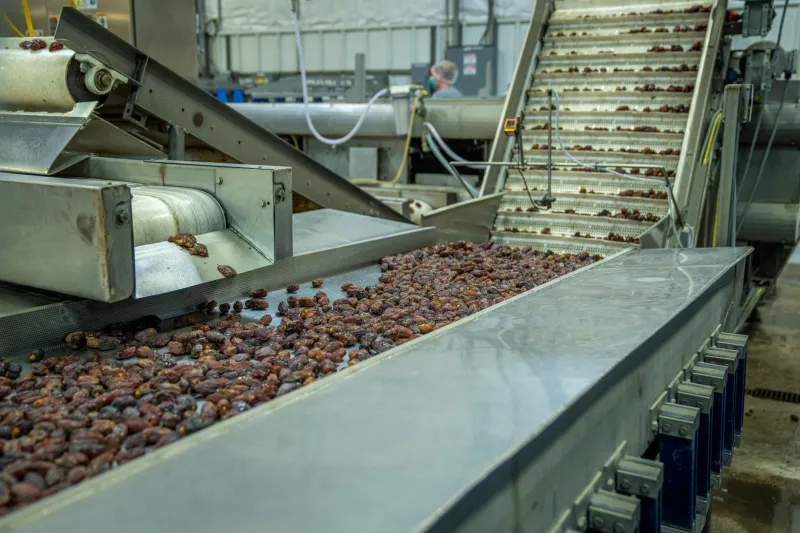
Flash-freezing — the industrial process used to preserve most commercially frozen produce — works by dropping food temperatures to around -30°F or lower, extremely fast. We're talking minutes, not hours. This rapid temperature drop is the key. It prevents large ice crystals from forming inside the plant cells, which is what causes the mushy texture people associate with frozen vegetables that were frozen too slowly or thawed and refrozen.
More importantly, freezing at peak ripeness essentially hits pause on the nutritional clock. Vitamins, minerals, antioxidants, and phytonutrients get locked in at the moment the produce was at its most nutrient-dense — right after harvest.
Contrast that with the journey of a 'fresh' vegetable. The moment produce is harvested, it begins losing nutrients. Vitamin C is particularly vulnerable. Studies have shown that spinach can lose up to 75% of its vitamin C within seven days of harvest when stored at room temperature, and even refrigeration only slows that process — it doesn't stop it. Peas have been shown to lose nearly half their vitamin C content within 24 to 48 hours of picking under standard conditions.
If those peas spend two weeks in transit before hitting your fridge, you can do the math.
The Harvest-to-Freezer Timeline vs. Farm-to-Table
The farm-to-table movement has done a lot of good. It's pushed people toward local sourcing, seasonal eating, and transparency about where food comes from. But it's also accidentally reinforced the idea that anything labeled 'fresh' is automatically superior to anything frozen — and that's simply not supported by the science.
Here's a rough comparison of what both timelines often look like in the real world:
Frozen produce: Harvested at peak ripeness → blanched briefly to deactivate enzymes → flash-frozen within hours → packaged and stored → travels to retailer → sits in your freezer until you use it.
Conventional 'fresh' produce: Harvested slightly underripe (so it survives transit) → loaded onto refrigerated trucks → travels to regional distribution centers → transferred to local stores → sits in cold storage or on display → travels home with you → waits in your crisper drawer.
The frozen route isn't glamorous. But nutritionally? It often wins.
A widely cited study published in the Journal of Agricultural and Food Chemistry found that frozen fruits and vegetables were nutritionally comparable — and in some cases superior — to their fresh counterparts when the fresh produce had been stored for several days. Researchers specifically called out frozen corn, blueberries, and green beans as standout performers.
When Fresh Still Wins
This isn't a hit piece on fresh produce. Genuinely local, in-season vegetables — the kind you grab at a farmers market on a Saturday morning, harvested that same week — are still a phenomenal choice. The nutrient content is high, the flavor is unmatched, and you're supporting regional food systems. That's a triple win.
Texture also matters. If you're making a salad, roasting vegetables to get that caramelized edge, or building a dish where visual appeal and bite are part of the point, fresh produce is still the move. Frozen vegetables release more water when cooked, which can affect certain preparations.
There's also the sensory experience. Biting into a perfectly ripe summer tomato or a peach that actually smells like a peach — no frozen version is going to replicate that, and it shouldn't have to. Eating isn't just about nutrients. It's about pleasure, connection, and experience.
But if you're shopping at a major chain in January, grabbing 'fresh' asparagus that was flown in from Peru? The frozen version from a quality brand is almost certainly delivering more nutritional value per dollar.
Smarter Shopping: A Practical Framework
So how do you actually apply this? Here's a simple way to think about it:
Go fresh when:
- You're buying from a local farmers market or farm stand
- The produce is in season in your region
- Texture or appearance is central to the dish
- You're eating it within one to two days
Go frozen when:
- You're buying out-of-season produce at a conventional grocery store
- You're stocking up for smoothies, soups, stews, or stir-fries
- You want to reduce food waste (frozen produce doesn't go bad on day four)
- You're working with a tighter grocery budget
Frozen produce is also significantly more affordable in most cases, which matters. Eating well shouldn't require a premium income, and frozen vegetables are one of the most accessible ways for people across all income levels to maintain a nutrient-rich diet year-round.
The Bottom Line on 'Fresh'
We've been culturally conditioned to treat 'fresh' as a synonym for 'better,' especially when it comes to food. And while that instinct comes from a good place — a desire to eat clean, whole, unprocessed foods — it doesn't always hold up under scrutiny.
The truth is that freshness is less about what something looks like on a shelf and more about how quickly it moved from the ground to a state of preservation. A flash-frozen pea that went from field to freezer in four hours is, by most meaningful nutritional measures, fresher than a 'fresh' pea that spent twelve days in a refrigerated container crossing the country.
At Freska Plus, we're all about eating smarter — not just following the aesthetics of wellness. And sometimes eating smarter means reaching into the freezer instead of the produce aisle. Your body doesn't care which section of the store it came from. It cares what's actually in it.