Your Gut Has Opinions: What the Latest Microbiome Science Says About the Foods You Think Are Healthy

There's a quiet revolution happening in nutritional science, and it's taking place somewhere you can't see: inside your digestive tract. The trillions of microorganisms living in your gut — collectively known as the microbiome — are turning out to be far more influential than anyone anticipated. They affect everything from your immune function and mental clarity to how efficiently your body absorbs nutrients. And here's the kicker: a huge portion of what Americans are eating in the name of "health" is actually doing very little to support them.
Let's dig into what the science actually says — and what it means for the way you shop, cook, and eat.
The Microbiome Isn't One Thing. It's an Ecosystem.
Think of your gut less like a single organ and more like a living rainforest. A healthy microbiome is diverse — hundreds of different bacterial species coexisting, competing, and collaborating. When that diversity drops, things start to go sideways. Research from institutions like the Stanford School of Medicine has linked low microbial diversity to increased inflammation, weakened immune response, and even mood disorders.
So what threatens that diversity? Highly processed foods top the list. But here's where it gets interesting — even foods marketed as healthy can be culprits. Many low-calorie snack bars, plant-based protein products, and fortified cereals are loaded with emulsifiers, artificial sweeteners, and isolated fiber additives that can actually disrupt the gut lining and alter bacterial populations in ways researchers are still working to fully understand.
The gut doesn't care about packaging claims. It cares about complexity.
Why Your Gut Bacteria Are Basically Fiber Snobs
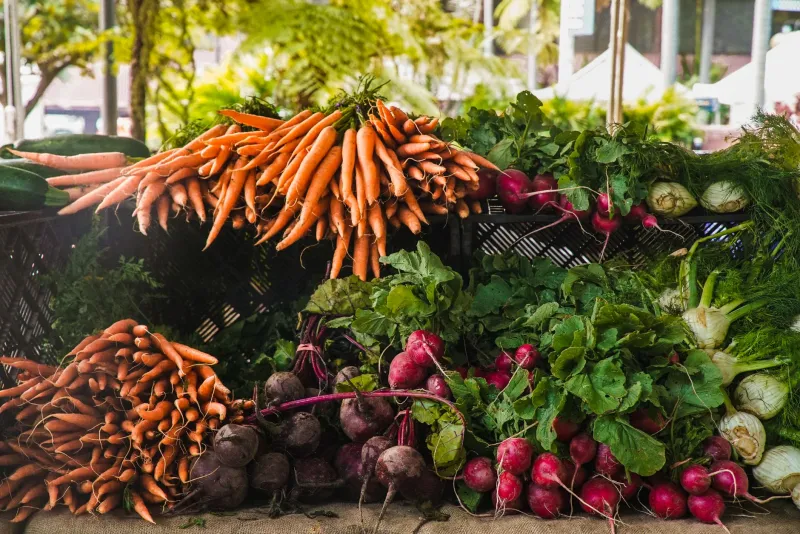
Not all fiber is created equal — and your microbiome knows the difference. The beneficial bacteria in your gut, particularly species like Bifidobacterium and Lactobacillus, thrive on something called prebiotic fiber. This isn't the generic "added fiber" you'll find in a lot of processed health foods. It's the naturally occurring, structurally complex carbohydrates found in whole plant foods.
Think Jerusalem artichokes, raw garlic, leeks, dandelion greens, and underripe bananas. These foods contain compounds like inulin and fructooligosaccharides that your body can't digest on its own — but your gut bacteria can. When they ferment these fibers, they produce short-chain fatty acids (SCFAs) like butyrate, which essentially serve as fuel for the cells lining your colon and help keep inflammation in check.
Contrast that with chicory root extract — the isolated fiber additive you'll find in a lot of "high-fiber" protein bars. While it's technically prebiotic, consuming it in concentrated, isolated form can cause bloating and GI distress in many people, and it doesn't deliver the full spectrum of compounds you'd get from eating the actual plant. The whole food matrix matters. A lot.
The Fermented Food Advantage
If there's one dietary pattern that's consistently shown up in microbiome research as genuinely beneficial, it's the regular consumption of fermented foods. A landmark 2021 study published in Cell found that a diet high in fermented foods — things like yogurt, kimchi, sauerkraut, kefir, and miso — significantly increased microbiome diversity and reduced markers of inflammation, even outperforming a high-fiber diet over the same time period.
What makes fermented foods different from probiotic supplements? Again, it comes back to complexity. A spoonful of traditionally fermented kimchi contains dozens of live bacterial strains, along with bioactive compounds produced during the fermentation process itself — metabolites, enzymes, and organic acids that interact with your gut in ways a capsule simply can't replicate.
This doesn't mean probiotic supplements are useless. But it does mean that food-first thinking is well supported by the evidence, especially when we're talking about traditionally prepared, minimally processed fermented products.
Ingredient Synergies: When Foods Work Better Together
One of the most exciting frontiers in microbiome nutrition is the study of food synergies — the idea that certain ingredients dramatically enhance each other's bioavailability and gut impact when eaten together.
Take turmeric and black pepper. Curcumin, the active compound in turmeric, has well-documented anti-inflammatory properties, but it's poorly absorbed on its own. Piperine, a compound in black pepper, increases curcumin's bioavailability by up to 2,000 percent. That's not a rounding error — that's a complete transformation of how useful the ingredient actually is to your body.
Or consider iron-rich plant foods like lentils or spinach paired with vitamin C sources like lemon juice or bell peppers. Non-heme iron (the kind found in plants) is notoriously difficult for the body to absorb, but vitamin C converts it into a form that's far more bioavailable. A squeeze of lemon over your lentil soup isn't just a flavor move — it's a nutritional upgrade.
For gut health specifically, pairing prebiotic-rich foods with probiotic ones creates what researchers call a synbiotic effect. Eating a bowl of full-fat plain yogurt with sliced banana and a drizzle of raw honey? You're feeding the live cultures in the yogurt with the prebiotic fiber in the banana, helping those beneficial bacteria thrive once they reach your gut.
Rethinking the 'Health Food' Label
Walk down the health food aisle at any major US grocery chain and you'll see a parade of products making gut-friendly claims — probiotic granola bars, prebiotic sodas, fiber-fortified everything. Some of these are genuinely useful. Many are not.
The red flags to watch for: long ingredient lists with multiple types of added sugars (which feed less beneficial bacterial strains), synthetic emulsifiers like polysorbate 80 or carboxymethylcellulose (linked in animal studies to microbiome disruption), and ultra-processed bases with isolated nutrients bolted on.
A useful rule of thumb? The closer a food is to its original form, the more your gut is likely to appreciate it. A cup of live-culture plain kefir beats a "probiotic" candy every time. A bowl of steel-cut oats with walnuts and berries does more for your microbiome than most gut-health-branded cereals on the market.
Building a Microbiome-Supportive Plate
You don't need a nutrition degree or a fancy supplement stack to start eating for your gut. Here's where to focus:
- Diversify your plants. Aim for 30 or more different plant foods per week — vegetables, fruits, legumes, whole grains, nuts, seeds, and herbs. Research suggests this number is associated with significantly higher microbial diversity.
- Go fermented, go traditional. Look for kimchi, sauerkraut, and pickles in the refrigerated section (not shelf-stable — those are typically pasteurized and contain no live cultures). Choose yogurt and kefir with "live and active cultures" on the label.
- Embrace bitterness. Bitter greens like arugula, radicchio, and dandelion are rich in prebiotic compounds that many Americans rarely eat. Add them to salads, sauté them with olive oil and garlic, or blend them into smoothies.
- Cook and cool your starches. Cooked and cooled potatoes, rice, and pasta develop something called resistant starch, which behaves like prebiotic fiber in the gut. Leftover rice in a grain bowl is actually a gut-health move.
- Minimize the ultra-processed stuff. Even when the package says "healthy."
Your gut bacteria have been evolving alongside humans for hundreds of thousands of years. They know what real food looks like — and they're pretty good at letting you know when they're not getting it. The science is catching up to what your body has been trying to tell you all along: fresh, whole, and fermented is the way to go.