Good for the Ocean, But Is It Good for You? The Hidden Health Trade-Offs in Sustainable Seafood
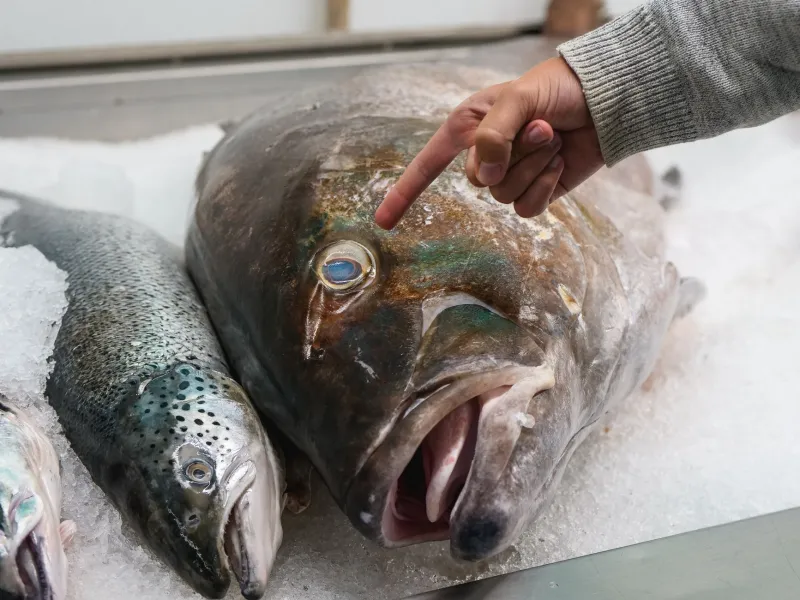
There's a quiet assumption baked into the way most of us shop for fish: if it carries a sustainability certification, it must be the better choice — full stop. And look, that instinct comes from a good place. The Marine Stewardship Council (MSC) label, the Aquaculture Stewardship Council (ASC) badge, the Monterey Bay Aquarium's Seafood Watch ratings — these programs exist because our oceans genuinely need protecting, and they've done meaningful work toward that goal.
But here's the thing nobody's really talking about at the fish counter: environmental sustainability and nutritional quality are not the same metric. They sometimes align beautifully. And sometimes they don't align at all.
If you're eating seafood primarily because you want those coveted omega-3 fatty acids, or because you're trying to reduce your exposure to mercury and other heavy metals, then a sustainability label alone isn't giving you the full picture. Not even close.
What 'Sustainable' Actually Certifies — And What It Doesn't
Let's be clear about what these certifications are measuring. MSC certification, for instance, evaluates whether a wild fishery is managed to prevent overfishing, minimize ecosystem impact, and maintain effective oversight. ASC certification does something similar for aquaculture operations, looking at environmental responsibility and social standards.
Notice what's not on that checklist: the omega-3 content of the fish. The feed composition used in fish farms. The rate at which nutrients degrade during processing and cold storage. The contaminant load of the water the fish was raised in.
None of that falls under the sustainability umbrella — and that's not a criticism of these programs, because that's simply not what they were designed to do. The problem arises when consumers conflate the two, assuming that a certified-sustainable fish is automatically the most nutritious option on the case.
The Omega-3 Problem in Farmed Fish
Here's where things get genuinely surprising for a lot of people. Wild-caught salmon — particularly sockeye and king salmon from Alaskan waters — is famous for its high omega-3 content. Those fatty acids accumulate naturally because wild salmon eat smaller fish, krill, and other marine organisms that are themselves rich in EPA and DHA.
Farmed salmon operates on a completely different logic. Traditionally, farmed salmon ate fish meal and fish oil derived from wild-caught forage fish, which kept their omega-3 profiles reasonably competitive with wild varieties. But as aquaculture has scaled up, and as the sustainability movement has (rightly) pushed back against the massive use of wild fish to feed farmed fish, the industry has shifted toward plant-based feeds — soy, canola, and even algae-derived oils.
The result? Omega-3 concentrations in farmed Atlantic salmon have dropped significantly over the past two decades. A 2021 analysis published in Aquaculture found that omega-3 levels in farmed salmon had fallen by roughly 50% compared to fish raised on traditional diets. An ASC-certified farmed salmon fillet might be the more responsible aquaculture choice, but you may be getting considerably less of the nutrient that drew you to salmon in the first place.
This isn't a reason to write off farmed fish entirely — it's a reason to ask more specific questions.
Heavy Metals, Contaminants, and the Water Quality Question
On the flip side of the omega-3 conversation sits a concern that often pushes consumers toward farmed fish in the first place: heavy metal contamination. Mercury, in particular, is a legitimate concern with certain wild-caught species. Large, predatory fish like swordfish, king mackerel, and bigeye tuna bioaccumulate mercury over their lifespans, which is why the FDA recommends that pregnant women and young children limit or avoid these species.
But the contamination story for farmed fish isn't automatically cleaner. It's just differently complicated. Farmed fish raised in open-net pens in coastal waters can be exposed to whatever pollutants exist in that local marine environment. PCBs (polychlorinated biphenyls) have historically been a concern in some farmed salmon populations. And fish raised in crowded conditions often require antibiotic use, which introduces its own set of considerations around antibiotic resistance.
The sustainability certification of a farm doesn't guarantee the chemical cleanliness of its product. ASC standards do address some chemical use, but they're not a comprehensive toxicology report.
The Freshness Factor Nobody Mentions
There's another layer here that gets almost zero attention in the sustainable seafood conversation: how long has that fish been in transit, and what has time done to its nutritional profile?
Omega-3 fatty acids are volatile. They oxidize. A wild-caught halibut that spent three weeks in a frozen hold before being thawed and displayed at your local grocery store has a meaningfully different nutritional profile than the same fish consumed within 48 hours of being caught. "Fresh" seafood at many inland supermarkets has often been frozen, thawed, and re-displayed — a process that's legal, common, and rarely disclosed.
If you're in a coastal city with access to a reputable fishmonger who can tell you exactly when and where their fish came in, that freshness advantage can outweigh other considerations. For most of the country, that level of supply chain transparency simply isn't available at the average grocery store.
How to Actually Shop Smarter at the Fish Counter
None of this means you should ignore sustainability labels — please don't. Our oceans need every bit of consumer pressure the market can generate. But layer your decision-making so you're getting the full picture:
Ask about feed for farmed fish. Some premium aquaculture operations — particularly smaller domestic farms — still use higher fish-meal content in their feed, which supports better omega-3 profiles. Others are experimenting with algae-based feeds that can actually produce excellent EPA and DHA results. Don't be shy about asking your fishmonger or checking the brand's website.
Match your species to your goal. If omega-3s are your priority, wild Alaskan salmon, sardines, mackerel (Atlantic, not king), and anchovies consistently deliver — and most are also strong sustainability performers. If you're pregnant or feeding young children and mercury is your primary concern, stick with low-mercury species like shrimp, tilapia, catfish, and canned light tuna regardless of their sustainability status.
Use the Seafood Watch app as a starting point, not an endpoint. The Monterey Bay Aquarium's tool is genuinely excellent for navigating sustainability, and it does flag some health concerns. But cross-reference with the FDA's mercury guidance and, when possible, with third-party testing data from organizations like Consumer Reports.
Prioritize transparency over certification alone. A local community-supported fishery (CSF) that can tell you the name of the boat, the date of the catch, and exactly how the fish was handled often beats a certified-sustainable product with an opaque supply chain — nutritionally and ethically.
The Bigger Picture
The sustainable seafood movement is genuinely important, and the certification systems driving it have made real progress in reducing overfishing and improving aquaculture practices. But as conscious consumers, we owe it to ourselves to hold the entire value chain accountable — not just the environmental piece.
Fresh, nutritionally dense, responsibly sourced seafood is absolutely achievable. It just requires a little more curiosity than flipping a package over and looking for a blue label. Ask questions. Know your species. Understand that the ocean's health and your health are connected — and both deserve the same level of attention on your plate.